MEC
MEC Spark & AMP Backpacking Tents
Two competitive backpacking tents, the Spark 2.0 and AMP, balancing weight, space, and durability to get more people into the backcountry.
- Client
- MEC
- Year
- 2020
- Role
- Technical Developer
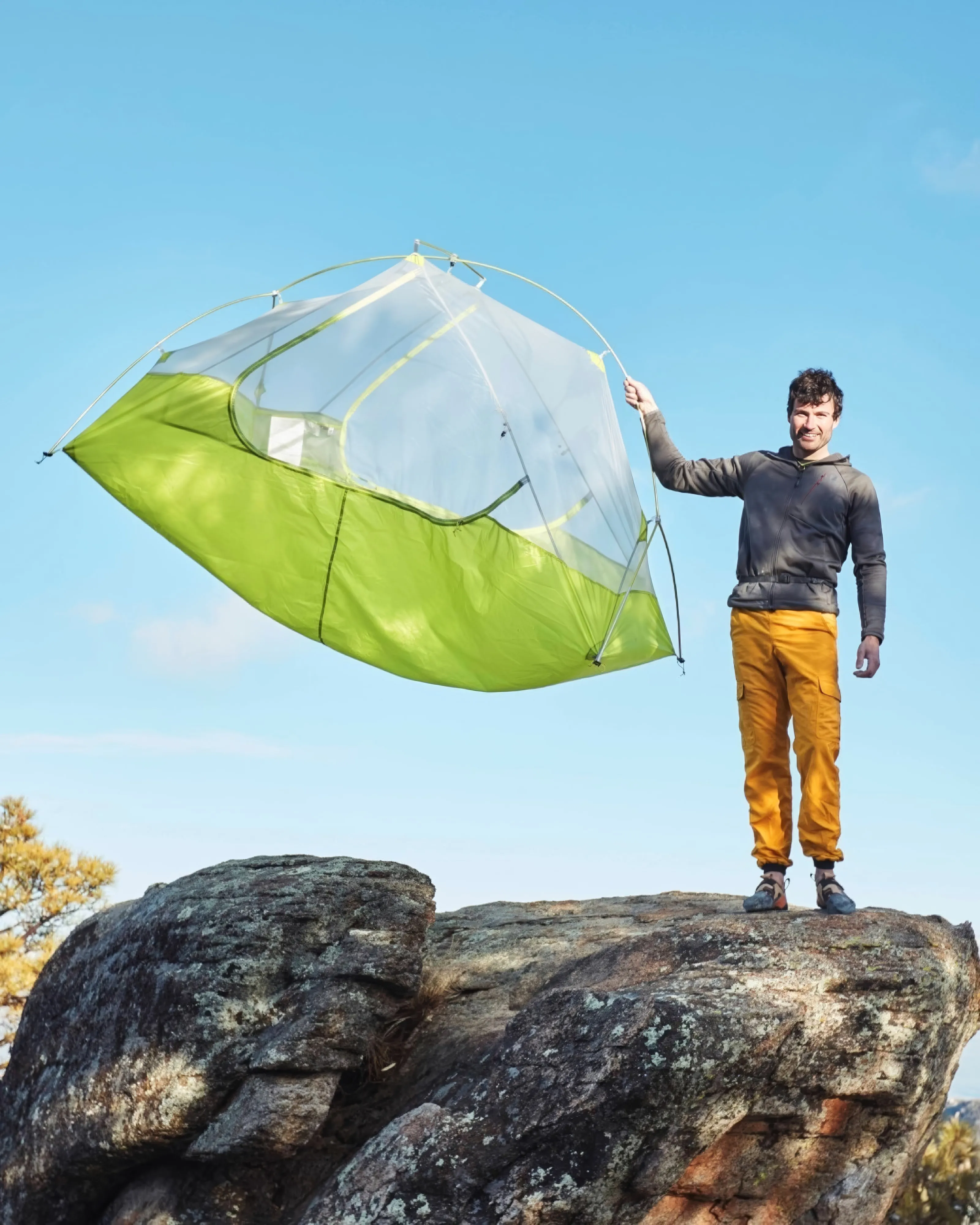
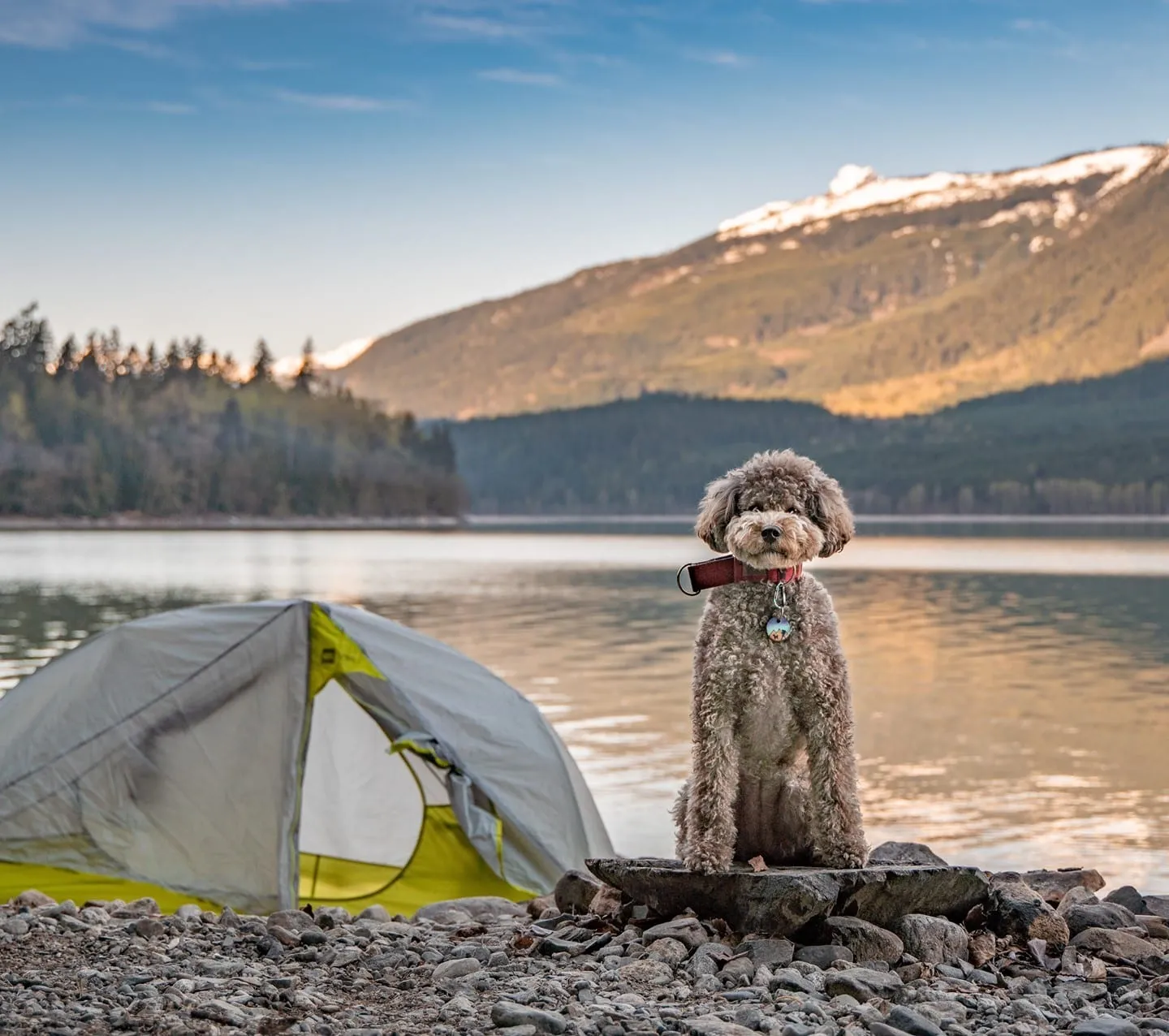
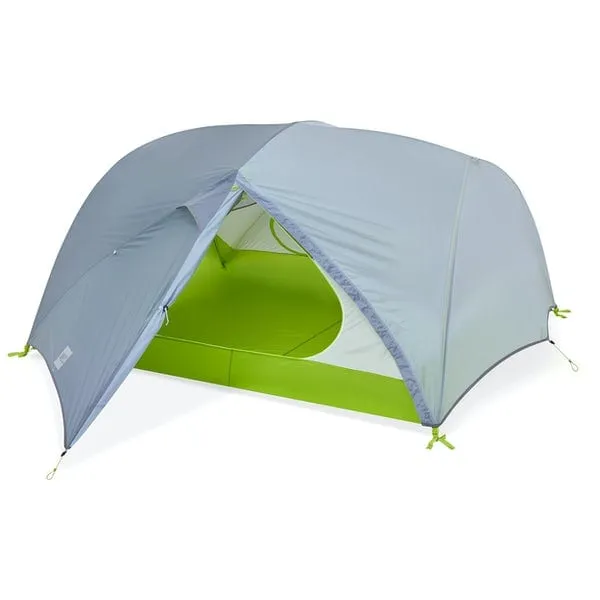
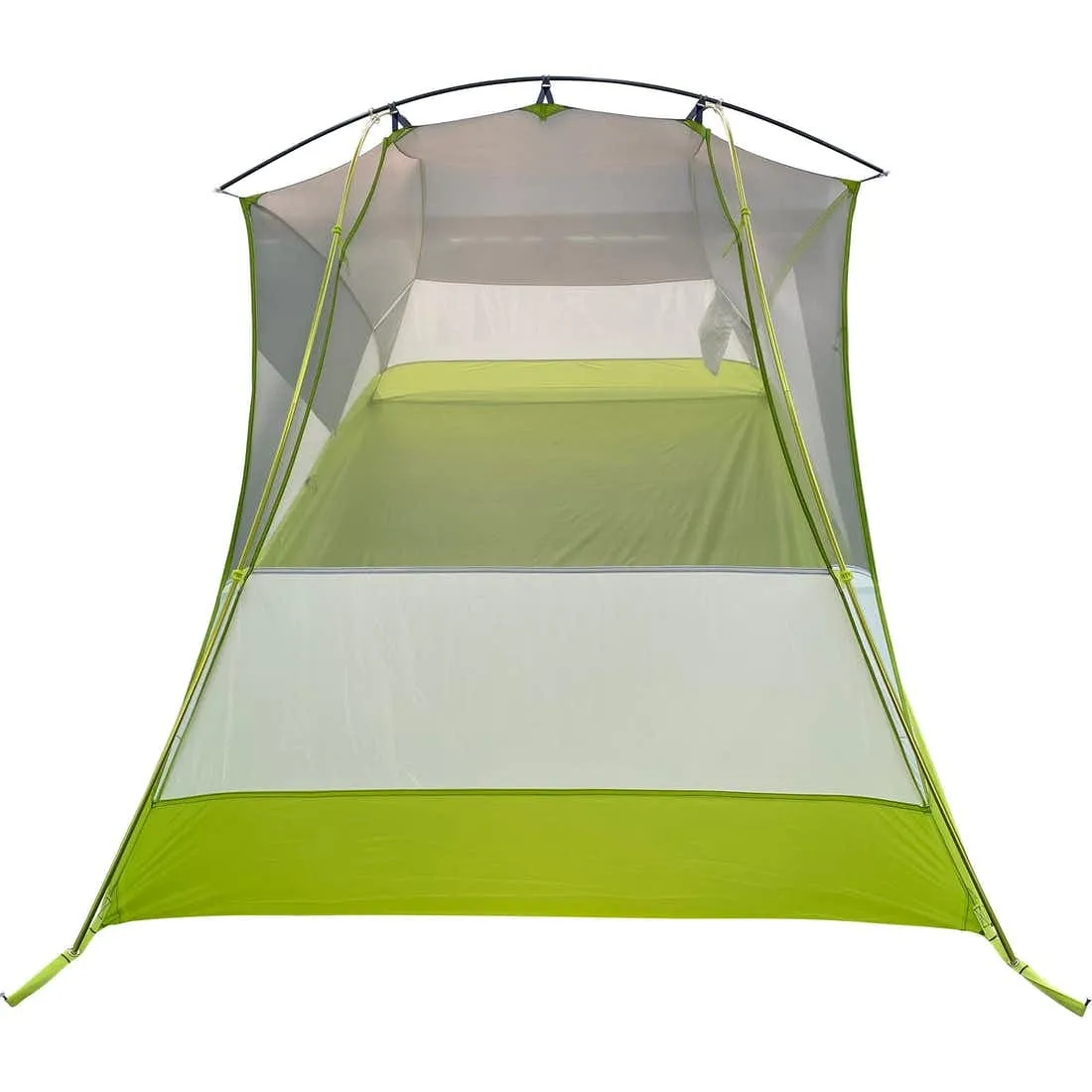
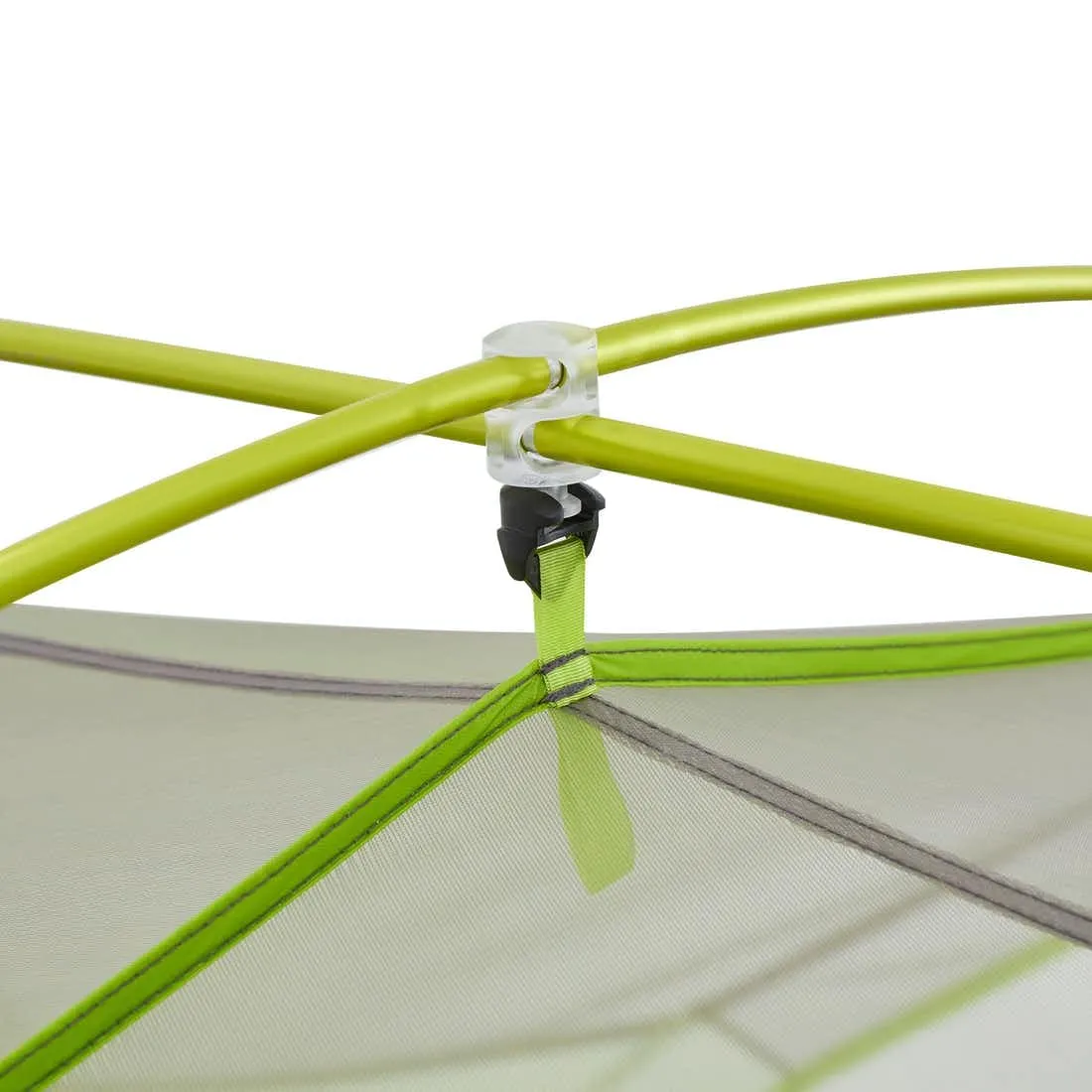
Challenge
I inherited development on the MEC Spark and AMP partway through the season. The first samples had already come back and were being evaluated when I joined, so a large part of my role was taking ownership of the remaining development work, addressing outstanding issues, and making sure the transition into production stayed smooth. The tents were designed by Mark Knight at MEC and manufactured in Taiwan. The Spark was developed in three sizes and the AMP in two, which meant managing multiple rounds of samples and making sure every size actually met its intended specifications.
Research
Traditional tent footprints solve the problem of protecting the tent floor, but they don't always consider what actually happens in the field. One common frustration is that when you move or reposition your tent, the footprint stays behind. That gap between what a footprint is supposed to do and how people actually use one became one of the things I focused on.
Design Direction
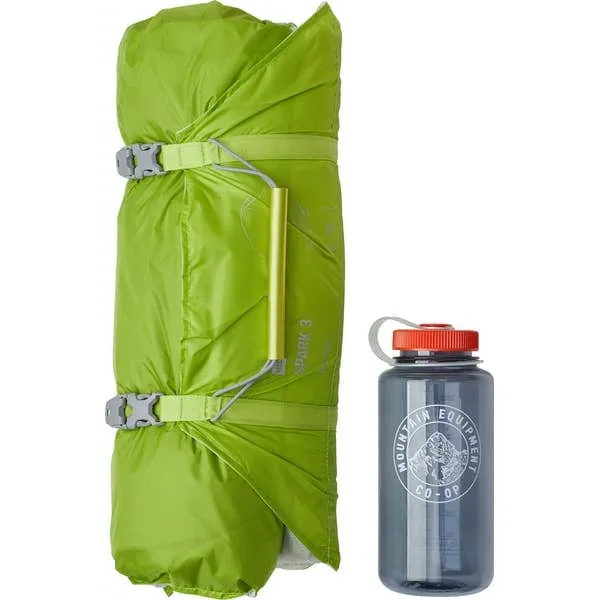
MEC wanted something more functional than a traditional stuff sack for storage, so we developed an approach where the storage itself became part of the user experience. The concept worked like a sushi roll: the tent wraps and secures into the storage system, with the assembly instructions integrated directly into the packaging rather than a separate insert that's easy to lose. We sourced a non-woven material that let those instructions print directly onto the storage system itself.
Development
My solution to the footprint problem was pre-tensioned elastic corner attachments, so the footprint stays connected to the tent as you move it. It's a simple, low-cost addition, but it removed a real point of friction for anyone repositioning their tent in the field.
Prototype
Measuring a three-dimensional structure like a tent, reviewing sample quality, and validating performance in the field are all critical steps to getting a product like this right. My role included sample review, technical feedback, and development handoff, working through multiple rounds across all five sizes between the Spark and the AMP.
Manufacturing
Manufacturing was in Taiwan, and part of the job was working directly with the factory to make sure production units matched the design intent. We also evaluated new textile options to meet updated flammability requirements set by Health Canada: even a tent that performs well outdoors still has to clear regulatory requirements, which meant coordinating material testing and lab validation throughout development.
Final Product
What shipped was a two-tent lineup, the Spark in three sizes and the AMP in two, with a footprint that actually stays with the tent in the field, storage that doubles as an instruction manual, and materials that cleared Health Canada's flammability requirements without giving up performance.
Reflection
Stepping into a project partway through forces a different kind of discipline: understanding what's already been decided and why, then finding the parts that are still worth pushing on. The footprint and packaging updates were proof that even inherited development still has room for real improvement, you just have to know where to look.