Grade VII Equipment
Grade VII Carry Collection
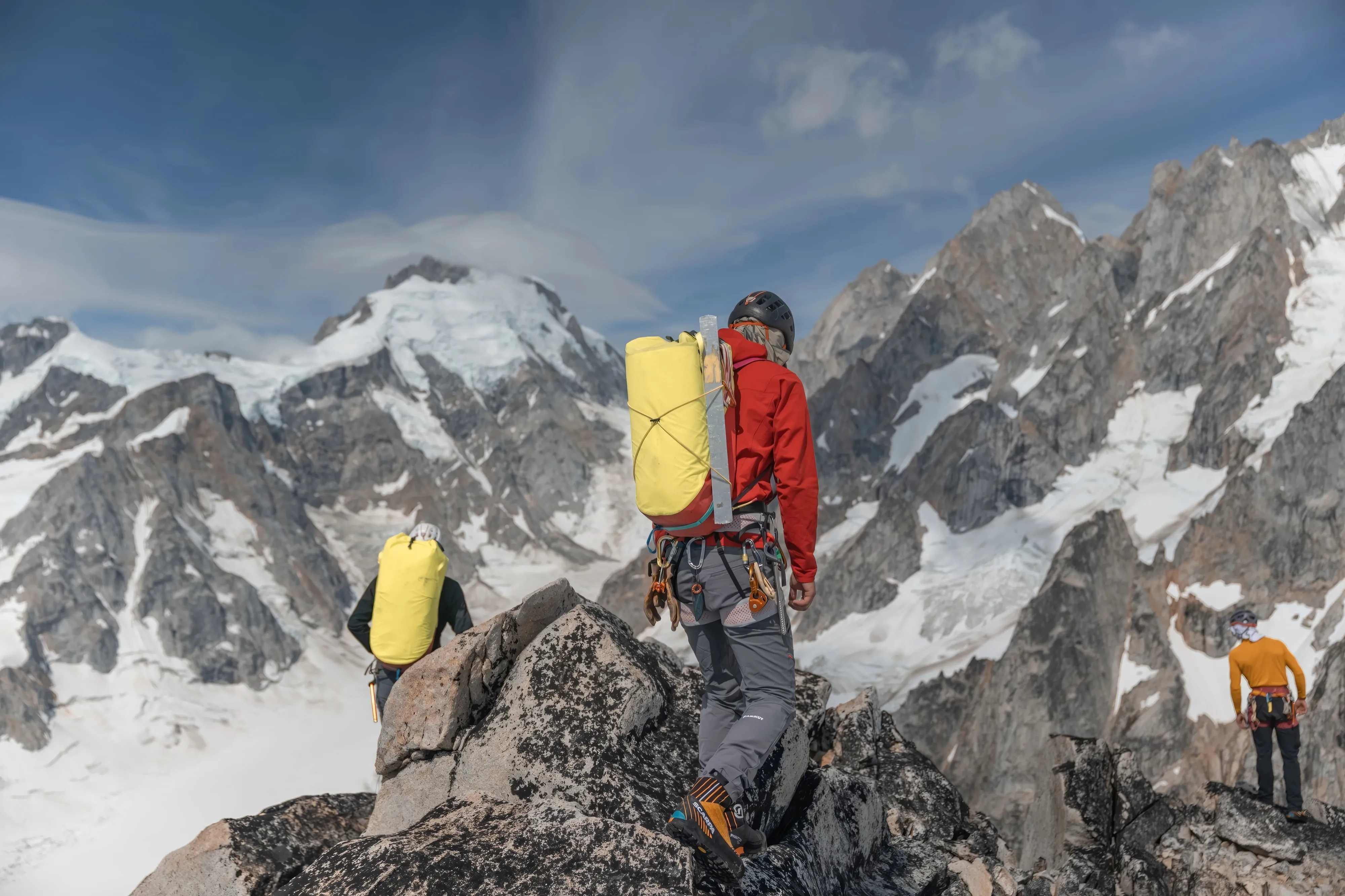
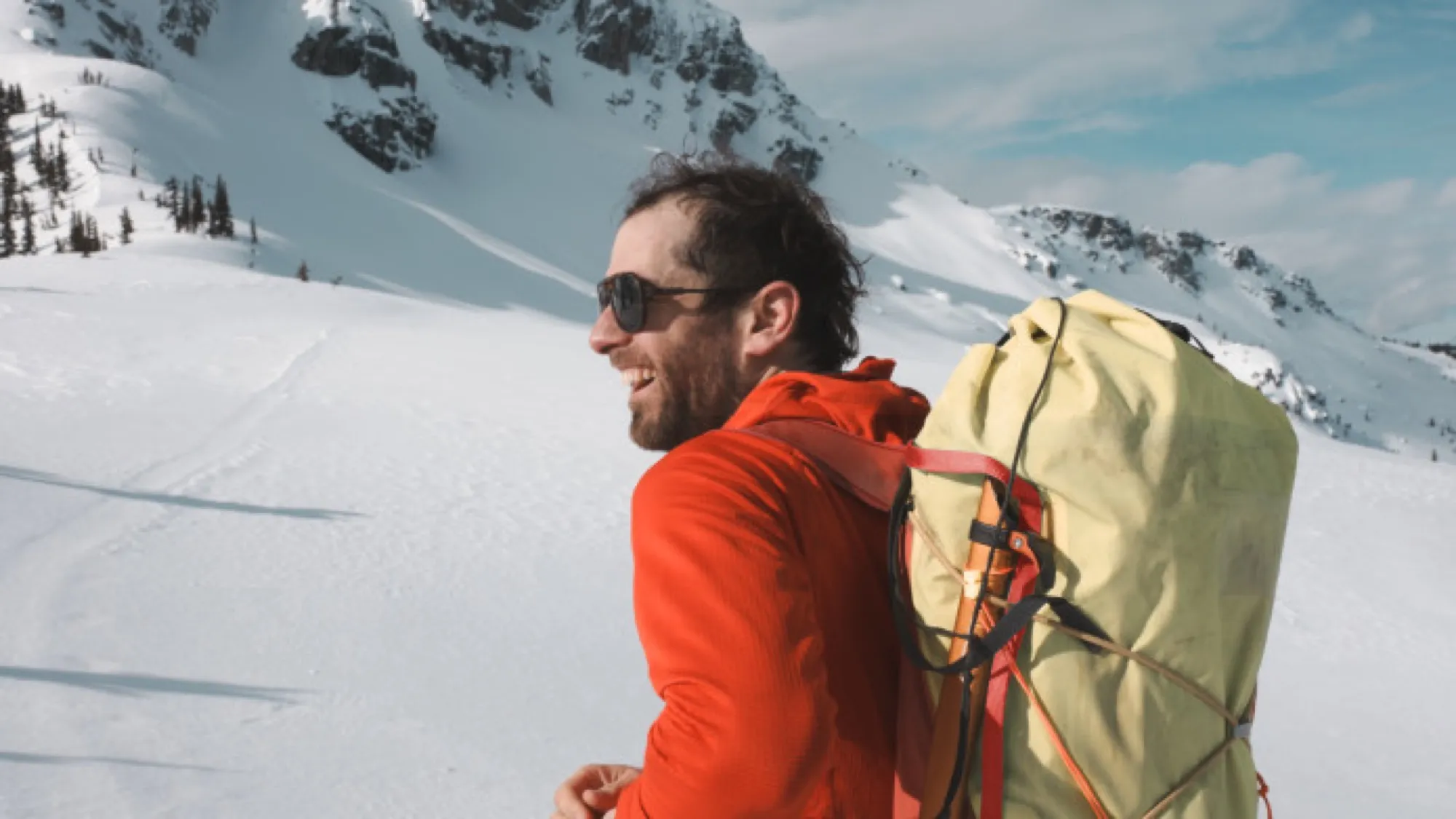
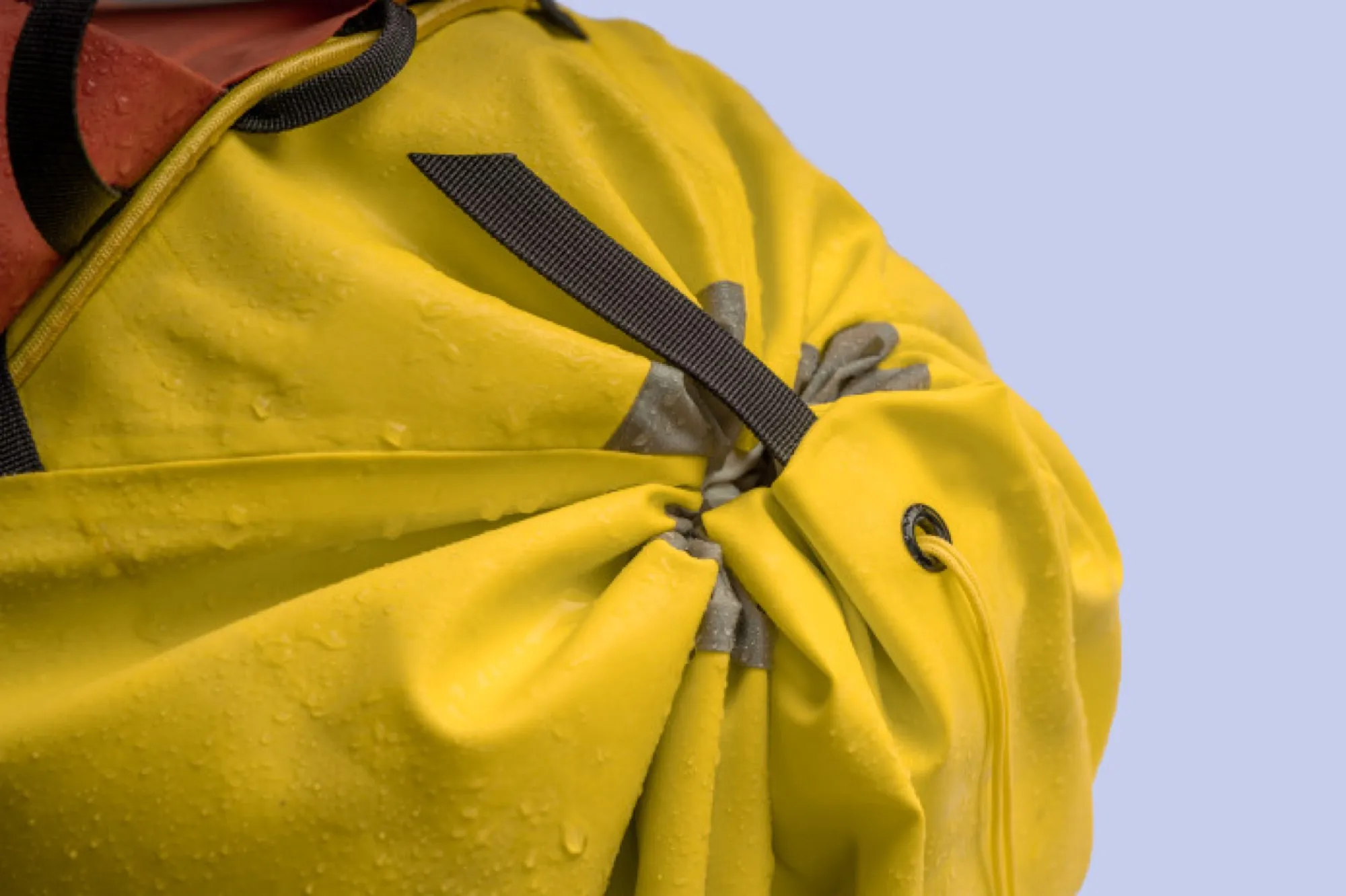
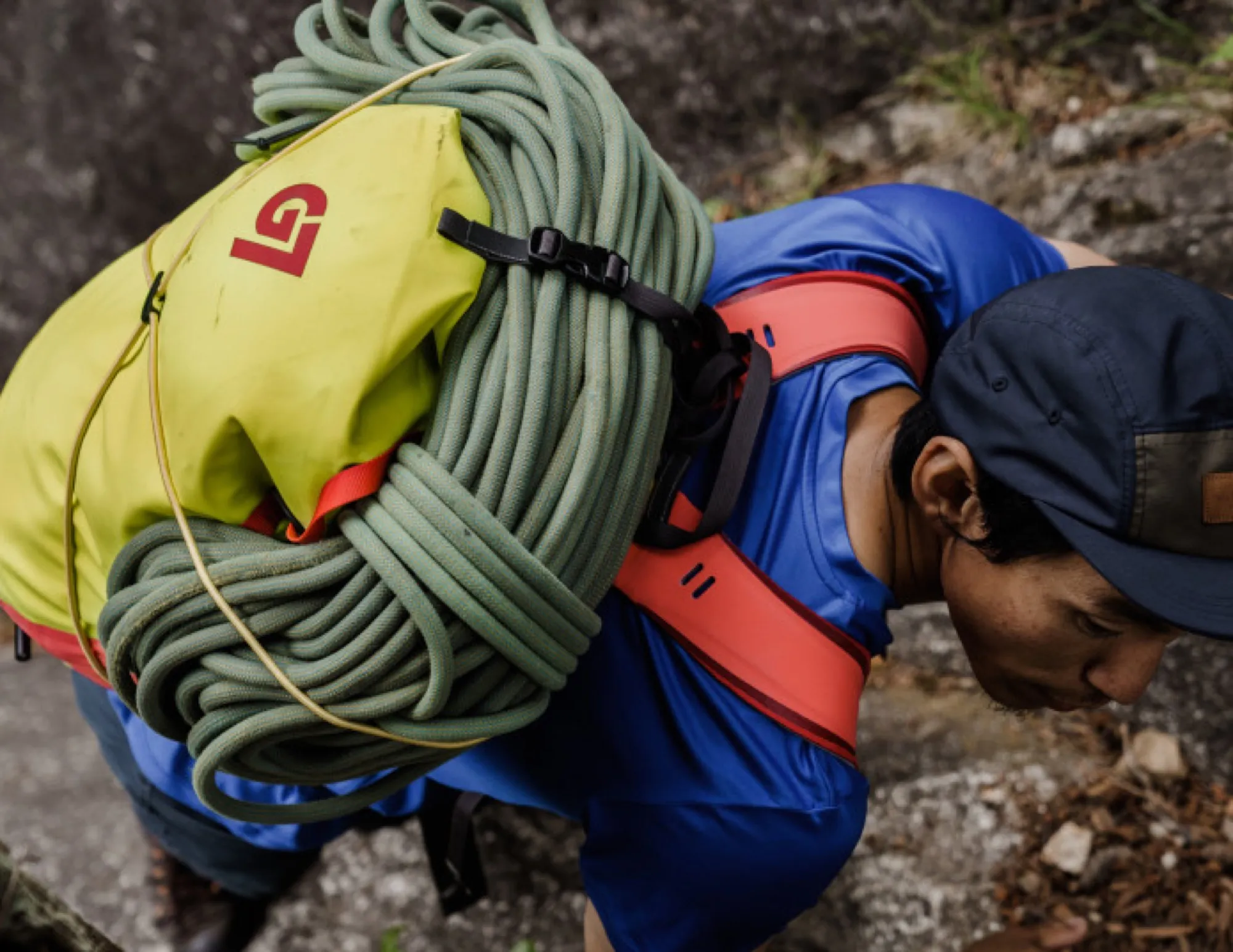
A big-wall carry system built around a haul pack that shrugs off abuse while weighing almost nothing, resolved detail by detail for climbers who push what a pack should survive.
- Client
- Grade VII Equipment
- Year
- 2022
- Role
- Design Developer
Challenge
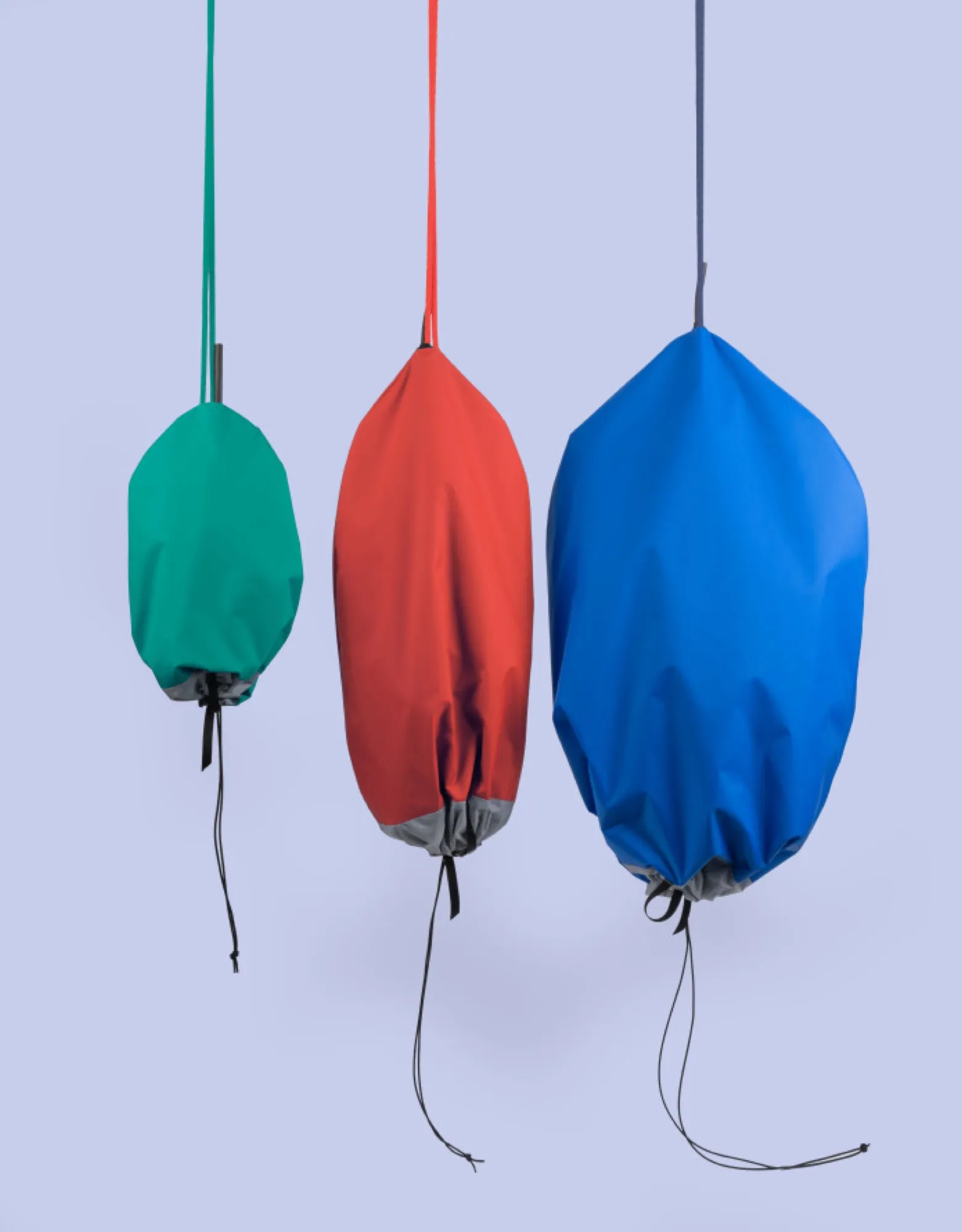
Haul bags take a beating, so they're built heavy: thick, armoured, and miserable to actually carry to the base of a route. Grade VII wanted to collapse that trade-off: a pack that hauls like a haul bag but carries like a backpack, at a weight no one else was hitting. The brief reached past the pack itself. It was a carry collection for life on a big wall, including a gear cone that keeps a trad rack from snagging as the bag is hauled up a pitch, and stuffsacks built for working out of while hanging on the wall.
Research
Durability claims are easy to make and hard to trust, so we tested against reality instead of a spec sheet. We rebuilt the same bag in every fabric available to us and dragged them behind a car at low speed, a crude but honest way to see which materials and constructions actually survived abrasion, and which only looked tough. Field testing on the granite around Squamish filled in the rest: where packs really fail, which seams and contact points wear through first, and what a climber actually needs from the thing while hanging off it.
Design Direction
One goal, held without compromise: comfort, low weight, and durability that beats everything else on the market by a wide margin, not a rounding error. Every material and construction detail was measured against whether it moved all three at once, or forced a trade none of us were willing to make.
Development
A lot of the parts this pack depends on didn't exist off the shelf, so they had to be designed and developed from scratch. My work centered here: building prototypes and exploring possible solutions for the stubborn, isolated problems standing in the way, then developing the strongest ones further.
Prototype
Every prototype was built in-house, across the full range of construction methods under one roof: sewing, lamination, bonding, heat-press assemblies. That meant we could try an idea, drag-test it or take it to the wall, and revise it fast instead of waiting on an outside sample room. That tight loop is where most of the real decisions actually got made.
Final Product
Everyone who has put these products to work (on real routes, under real load) has come back agreeing they're exceptional. The full production run is still to come; gear that's genuinely new takes time to reach a shelf.
Reflection
The biggest lesson wasn't in the design. It was in the distance between a proven prototype and a shipped product. Something this different from what's already on the market is genuinely hard to manufacture at scale, and that difficulty, more than the design, is what sets the timeline. A great prototype is the start of the work, not the end of it.