MEC
MEC Cignal & Coda
A multi-day backpack line spanning four volumes across two torso lengths and two fits, engineered so the whole size curve gets a pack that carries well under load.
- Client
- MEC
- Year
- 2020
- Role
- Technical Developer
Challenge
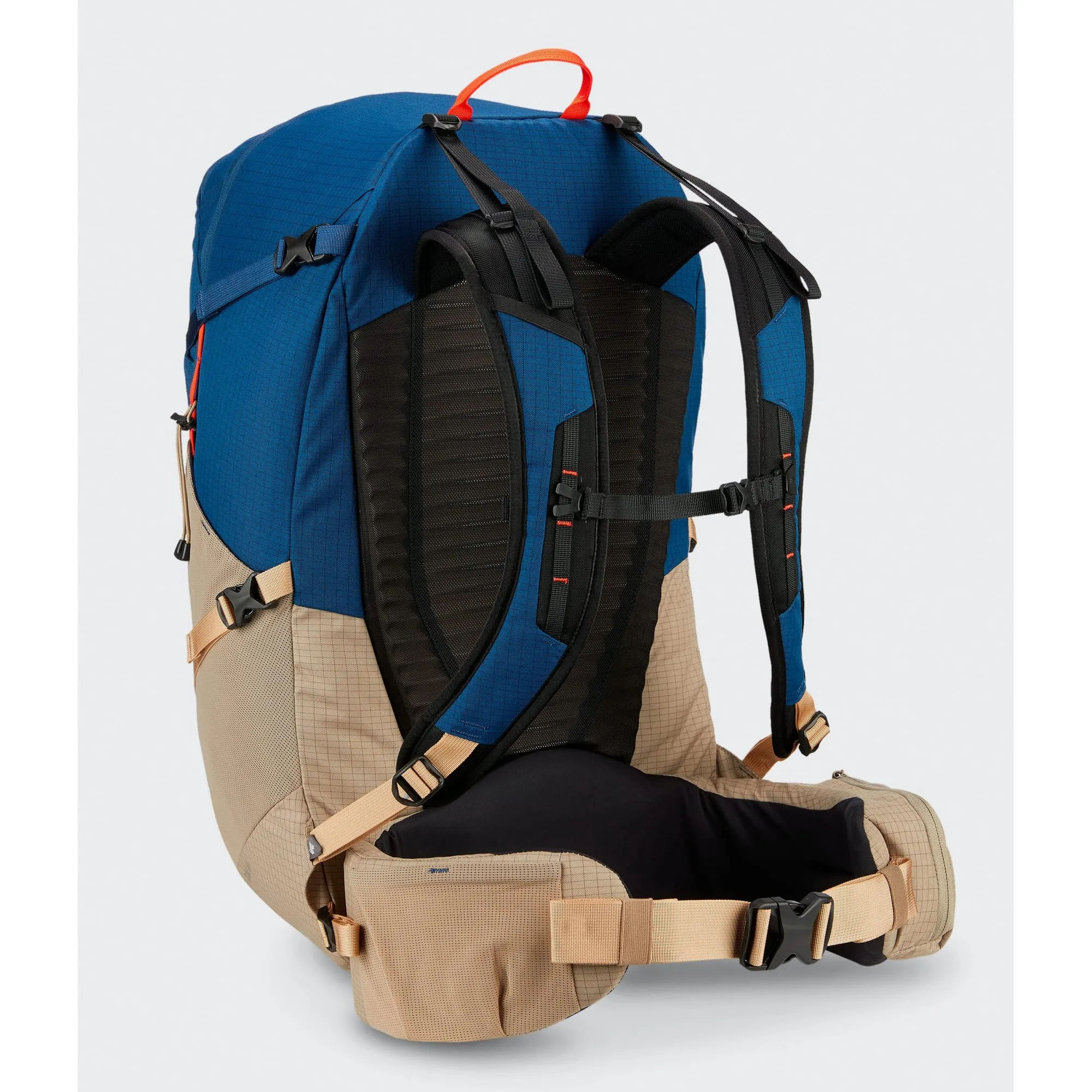
The Cignal and Coda were some of the larger backpack development programs I worked on at MEC: multiple volumes, sizes, genders, and colorways, which made this a genuinely significant fit and development project. I joined the team as these packs were beginning development. One of the main goals was to create a comfortable, intuitive fit system that would work across a broad range of MEC customers, which meant getting the fit foundation right before anything else could follow.
Research
Alongside Christine Lyon and Dave Westwood, we ran internal fit sessions with MEC employees across a wide range of body shapes and sizes. We also benchmarked our existing fit against leading backpack brands in the market, to understand where MEC's fit actually stood and how different pattern decisions, adjustment points, and harness geometries changed the range of people a pack could accommodate. That process helped establish a fit standard for MEC, which became the foundation the Cignal and Coda were built on.
Design Direction
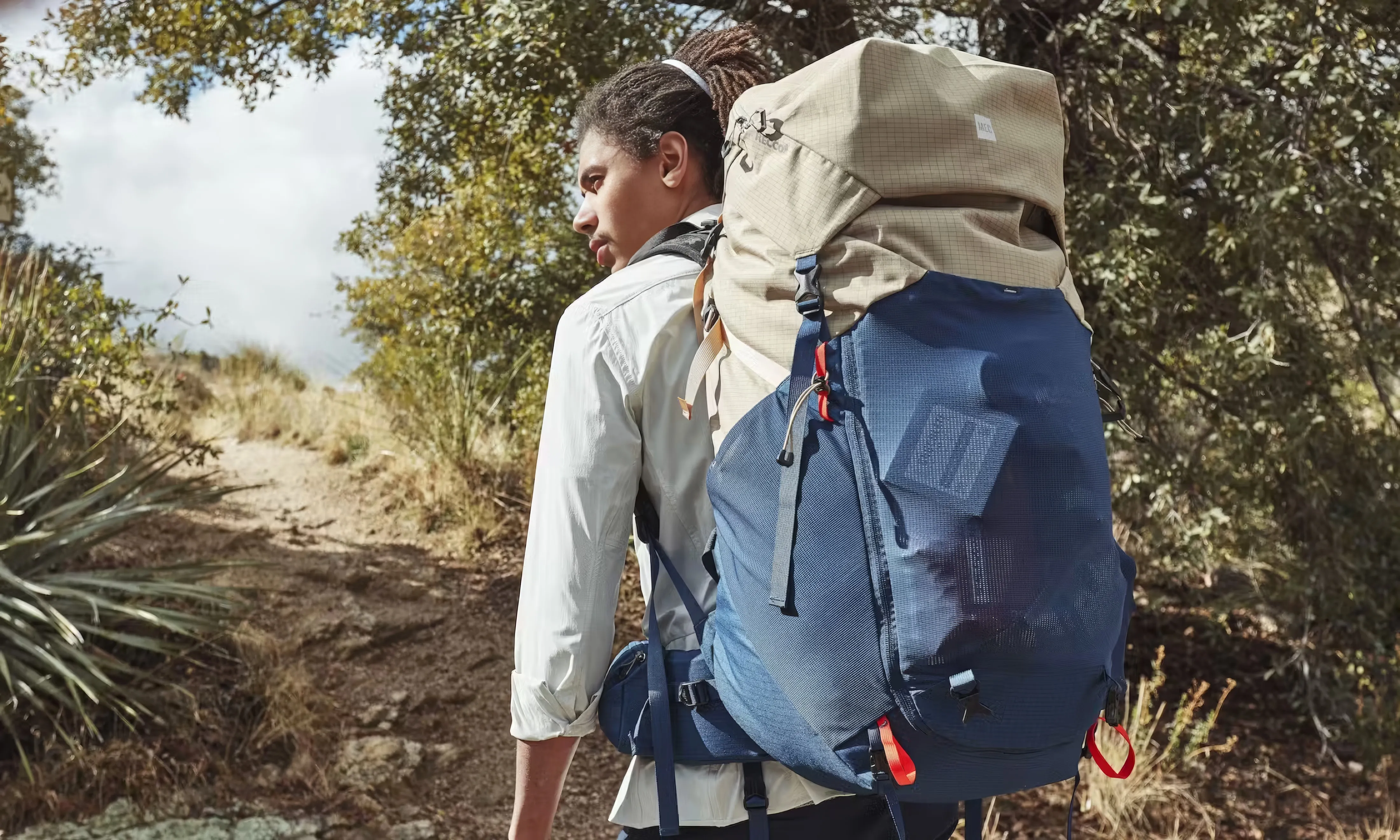
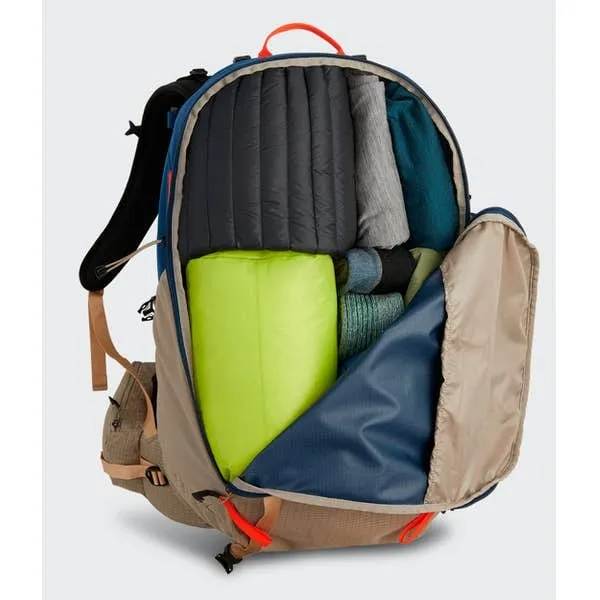
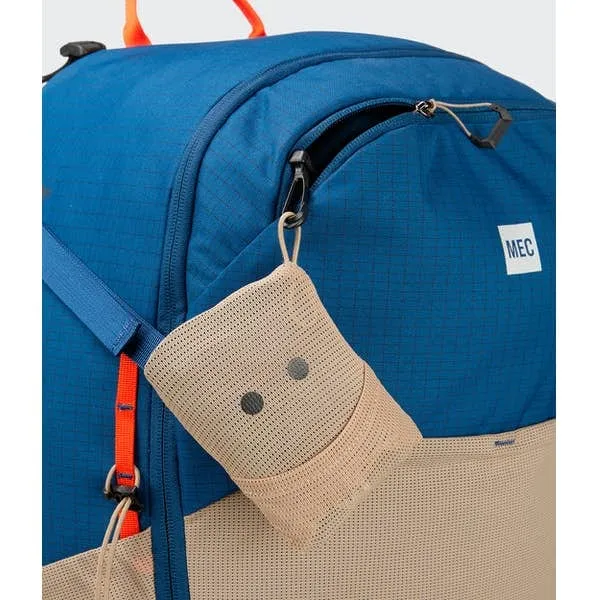
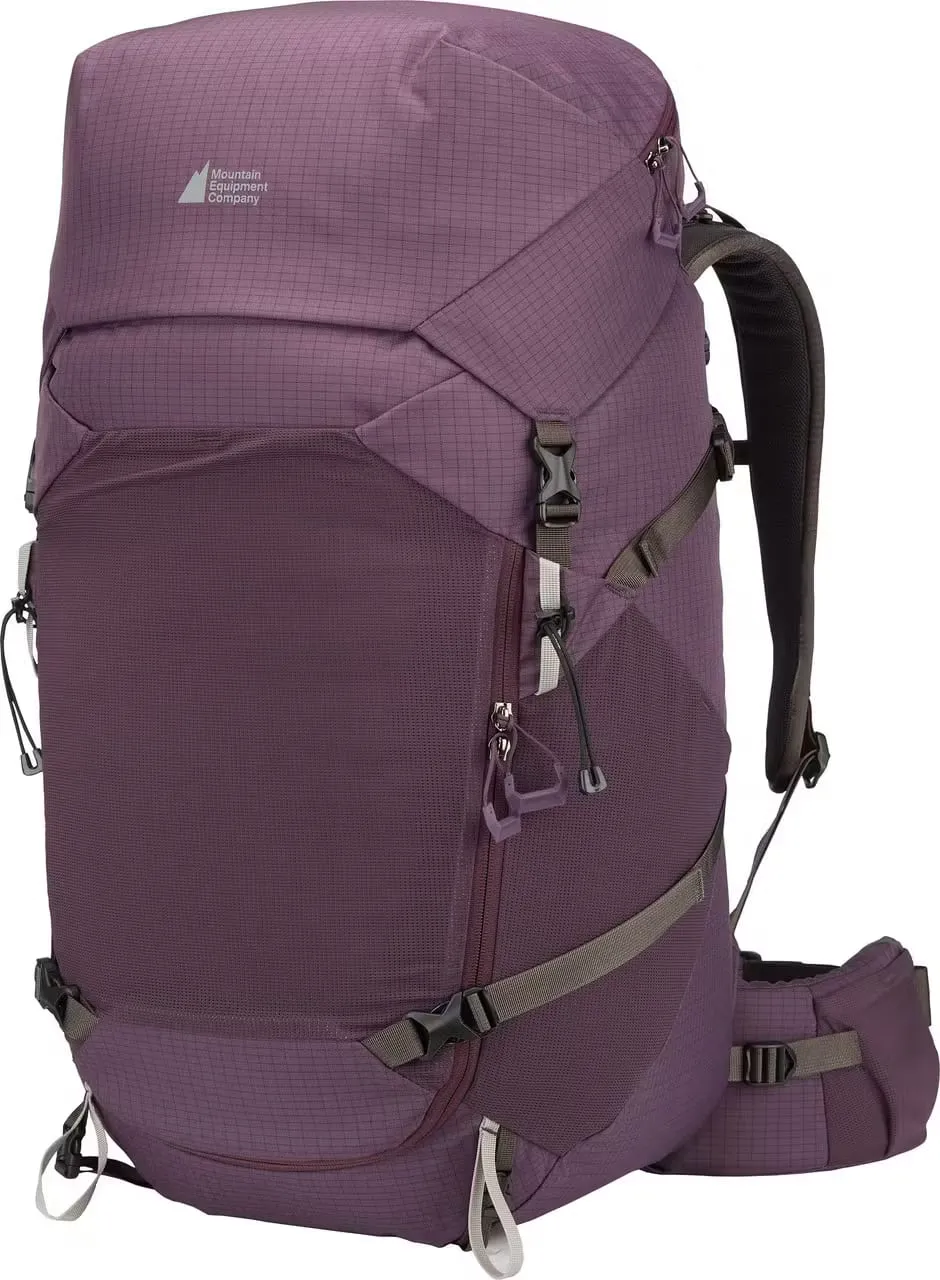
Both packs were offered in two sizes per gender, small-medium and medium-large, for both men's and women's fits. Combined with multiple colorways and volume options, that created a large number of SKUs to manage through development and production. From a user experience standpoint, the packs were designed around accessibility and ease of use on the trail: a large U-shaped front zipper for reaching gear buried inside without unloading everything, an adjustable harness to fine-tune fit by torso length, a large top lid for quick-access items like a phone, GPS, snacks, or first aid, and durable stretch mesh side pockets for water bottles, layers, or something like bear spray within easy reach.
Development
The packs covered a wide range of capacities, from smaller overnighter sizes up to 75 to 80 liter backpacking volumes. Each volume needed its own careful pattern adjustments and review to keep the fit, proportions, and carrying experience consistent across the whole range. Scaling a backpack system isn't just making everything bigger or smaller: every change in volume shifts the relationship between the harness, load placement, and the user's body.
Manufacturing
The backpacks were manufactured in Vietnam, and managing that many SKUs through development took close, constant coordination with the factory: frequent calls, including evening meetings and weekly development reviews, to make sure comments were understood, changes were implemented correctly, and the final production quality matched the design intent.
Final Product
What shipped was a full fit system, not just two backpacks: two genders, two sizes each, multiple volumes from overnighter to 75-80 liters, and multiple colorways, all built on the same fit standard established at the start.
Reflection
Scaling a fit system across that many variables, gender, size, volume, colorway, taught me that consistency is its own kind of design problem. The goal was never just to make a good backpack; it was to make sure every version of it, from the smallest overnighter to the largest 80-liter pack, carried the same way and felt like it belonged to the same family.