MEC
MEC Duffle Bag
A ground-up update to one of MEC's most iconic pieces: reworked construction and an extensively tested fabric, carrying a program that mattered to the brand.
- Client
- MEC
- Year
- 2020
- Role
- Technical Developer
Challenge
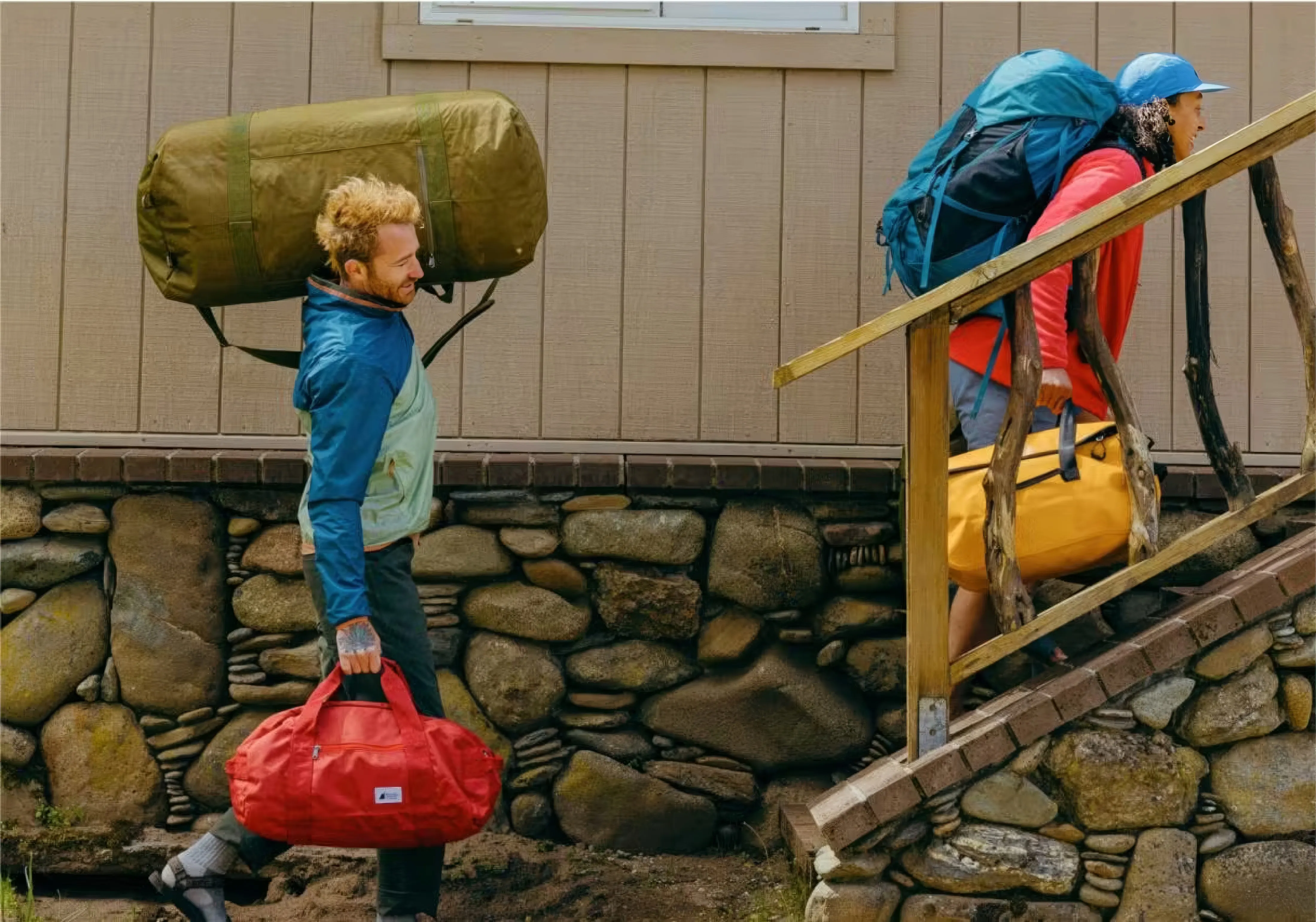
The MEC Duffel is one of the brand's iconic products. It's been part of the line for well over twenty years and has a reputation for being incredibly durable, the bag people grab when they need something they know won't let them down. This project was a line refresh, and the primary goal was to transition the duffel from virgin nylon to recycled nylon. Sustainability has always been an important part of MEC's philosophy, and because this was such a high-volume product, changing the primary fabric had the potential to make a meaningful environmental impact. The biggest challenge was making sure that sustainability didn't come at the expense of customer confidence. A fabric can meet every lab requirement and still feel thin or flimsy, and people immediately assume that means it won't last. MEC had learned that lesson before, so choosing the right material became a careful balance between measurable performance and perceived durability.
Research
Material evaluation was the core of this project. We tested candidate recycled-nylon fabrics against the original virgin nylon on the metrics that actually matter for a duffel: abrasion resistance, tear strength, and overall durability, benchmarked directly against the fabric the classic MEC Duffel had earned its reputation on.
Design Direction
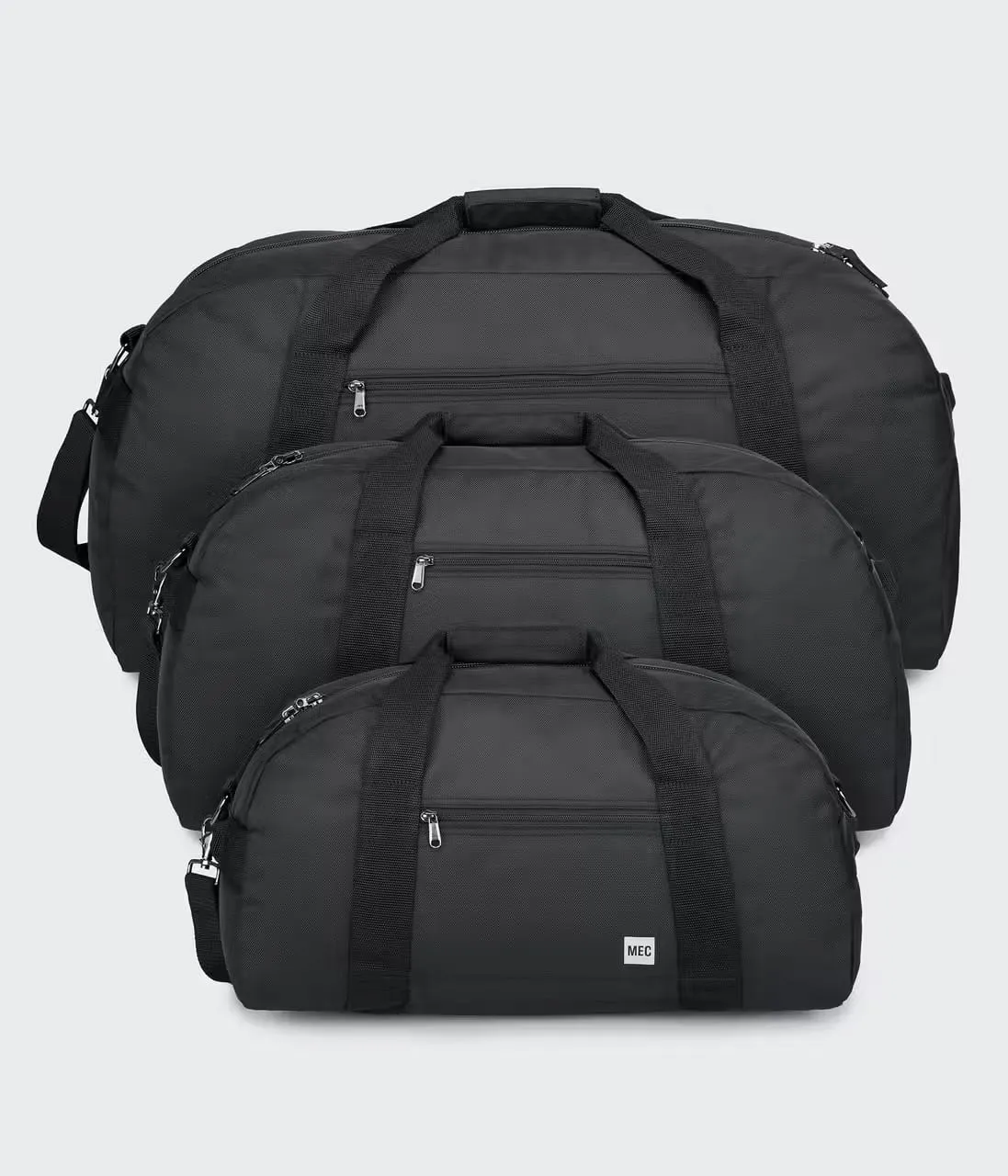
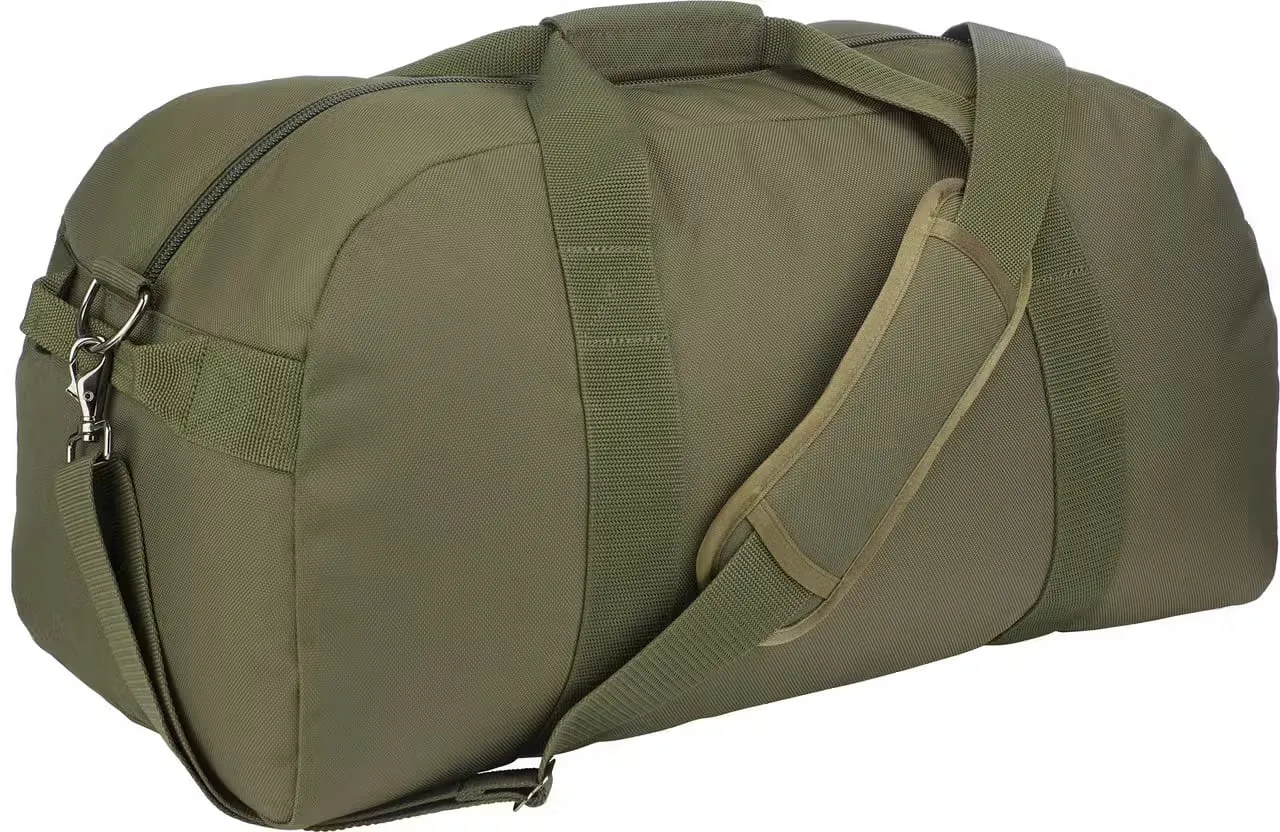
The direction here wasn't to reinvent the duffel. The goal was to preserve everything that had earned it its reputation, the proportions, the construction, the feel, while quietly swapping in a more sustainable material underneath. Restraint was the design decision.
Development
A big part of my role was coordinating that evaluation across both laboratory testing and factory development, holding two standards at once: the measurable performance data, and whether the finished product still looked and felt like the MEC Duffel people had trusted for years. Neither one on its own was enough to greenlight a material.
Prototype
Every candidate fabric came back from factory development as real yardage and samples I could put my hands on, not just a data sheet. That mattered, because perceived durability doesn't show up in a lab report. A fabric had to pass the abrasion tester and still feel right in your hands before it moved forward.
Final Product
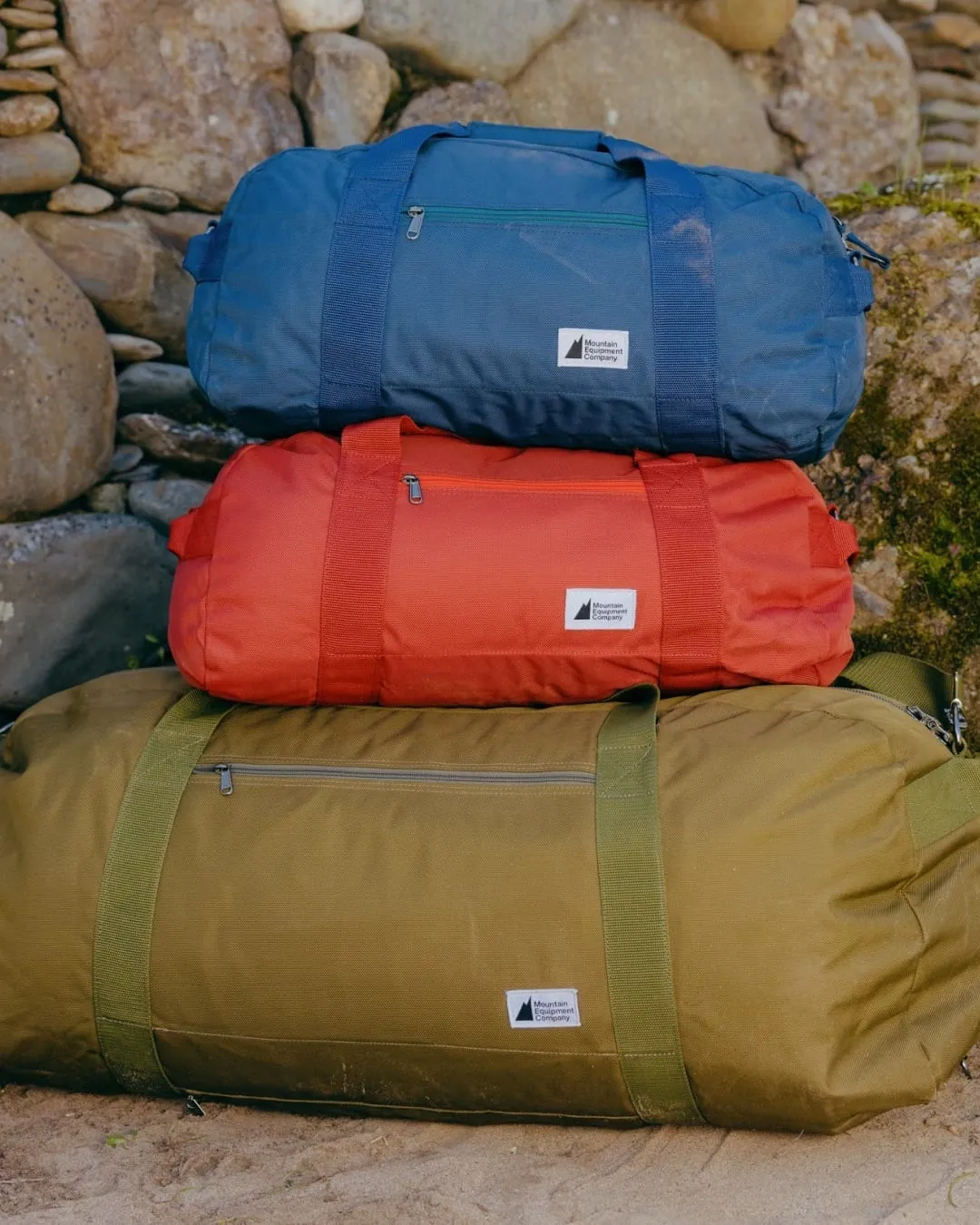
What shipped is the MEC Duffel in recycled nylon: the same bag people have trusted for over twenty years, now built on a meaningfully more sustainable material without giving up an ounce of the durability it's known for.
Reflection
The most delicate part of this project wasn't the testing itself, it was balancing the heritage of an iconic product with the opportunity to make a real improvement. When a product has earned that much trust, even a change this worthwhile needs to be made carefully. One thing I've learned from projects like this: customers don't experience a material through its lab results, they experience it with their hands first. Getting those two things to agree is a real part of good product development, not an afterthought.