MEC
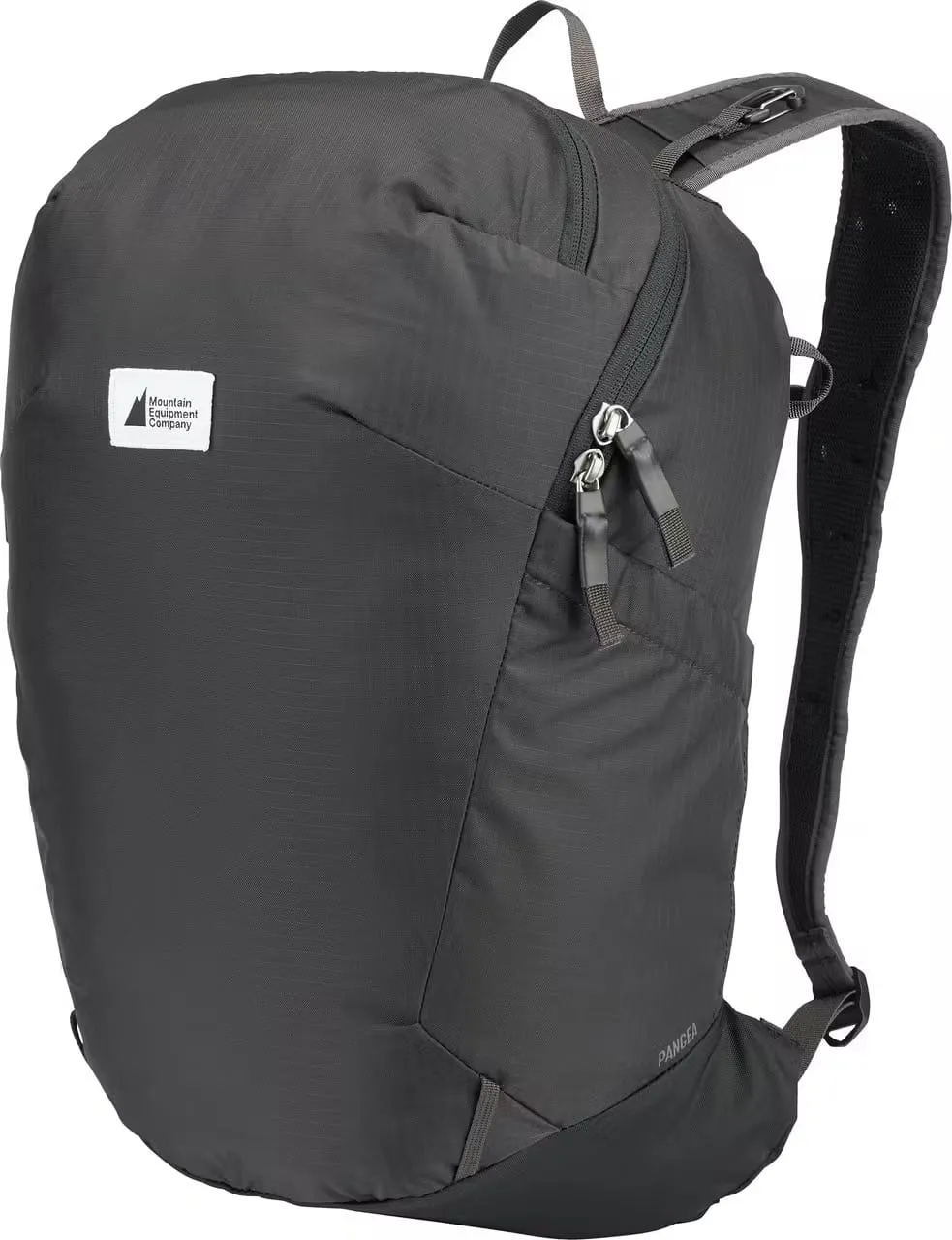
MEC Pangea Travel Bag
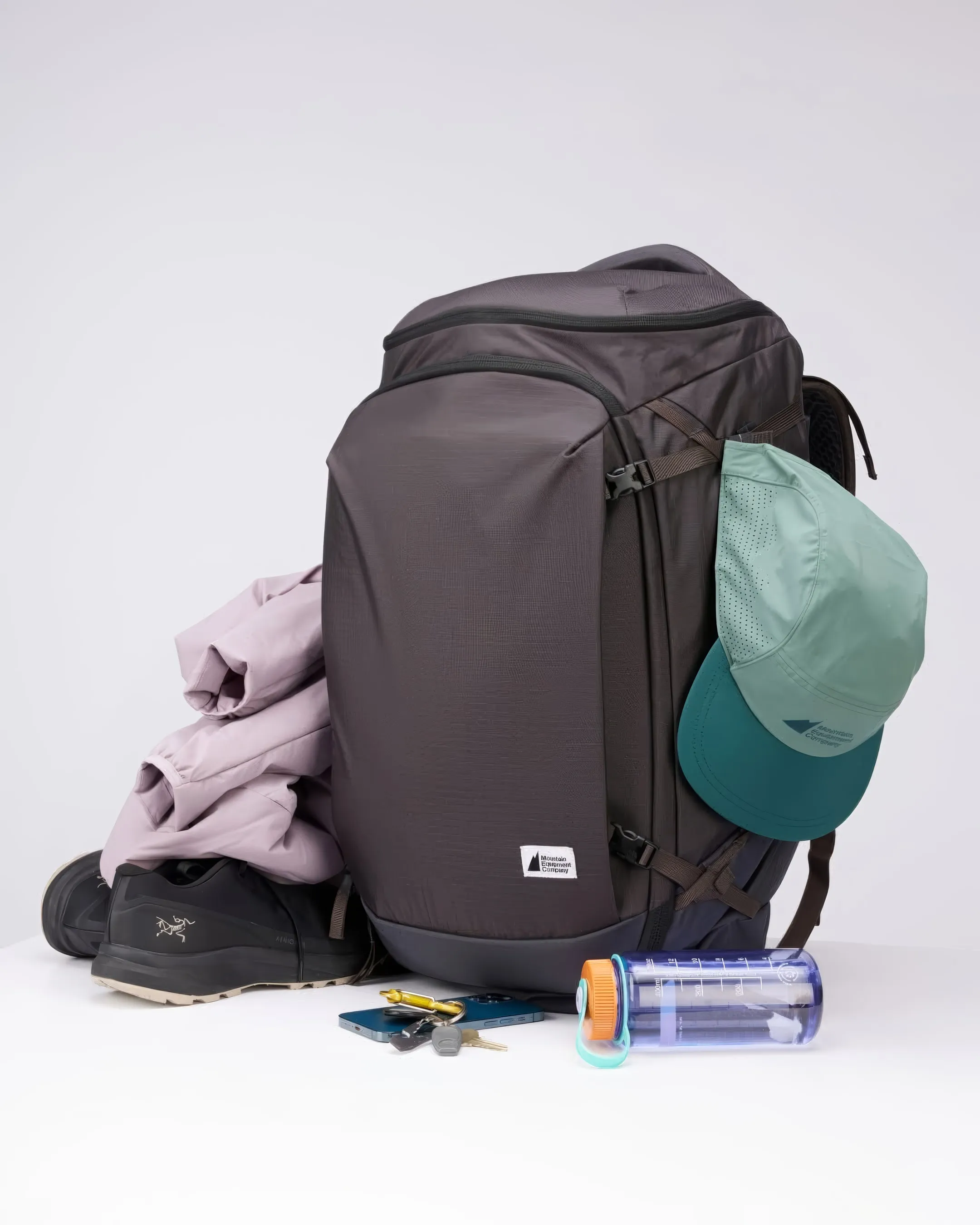
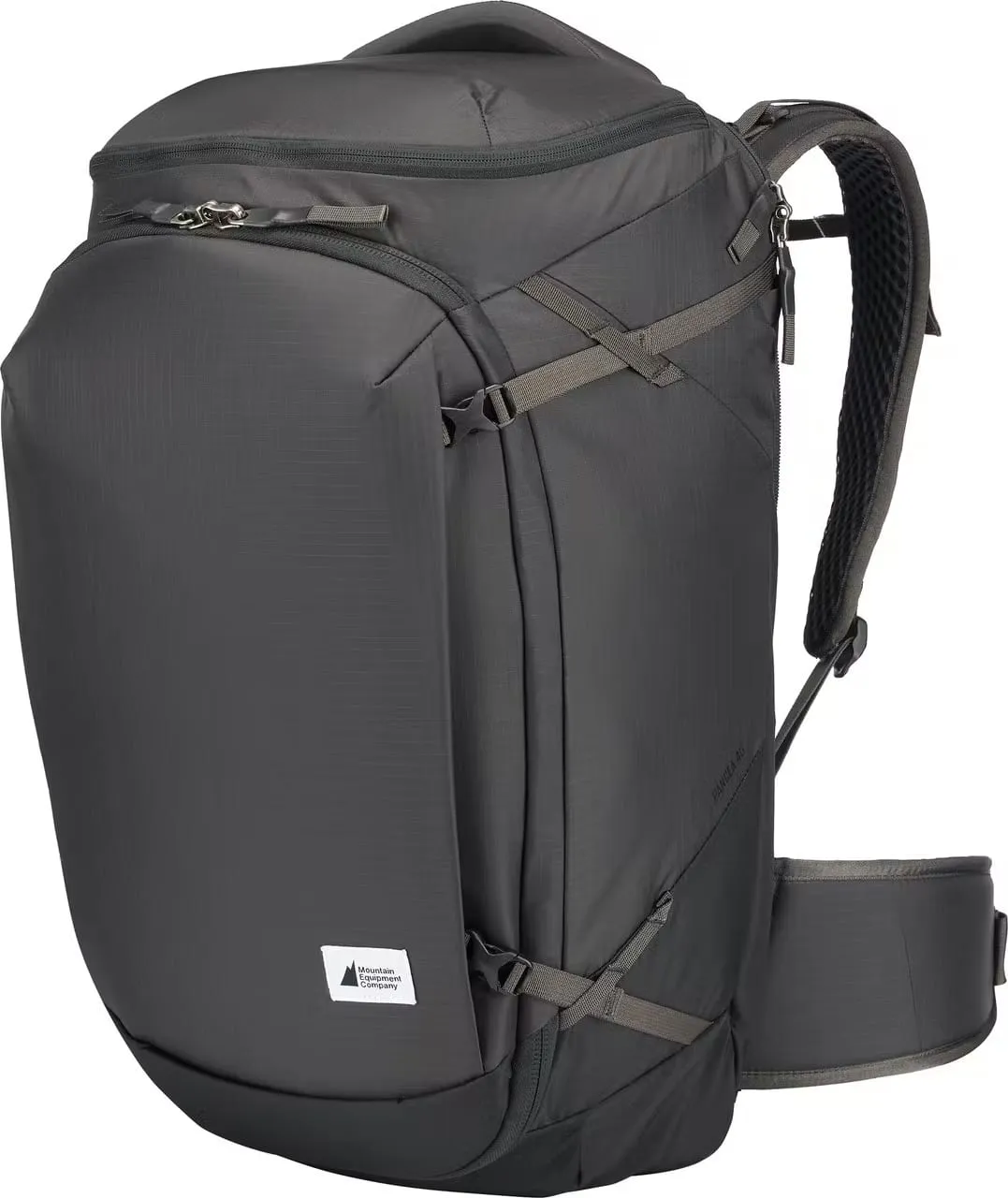
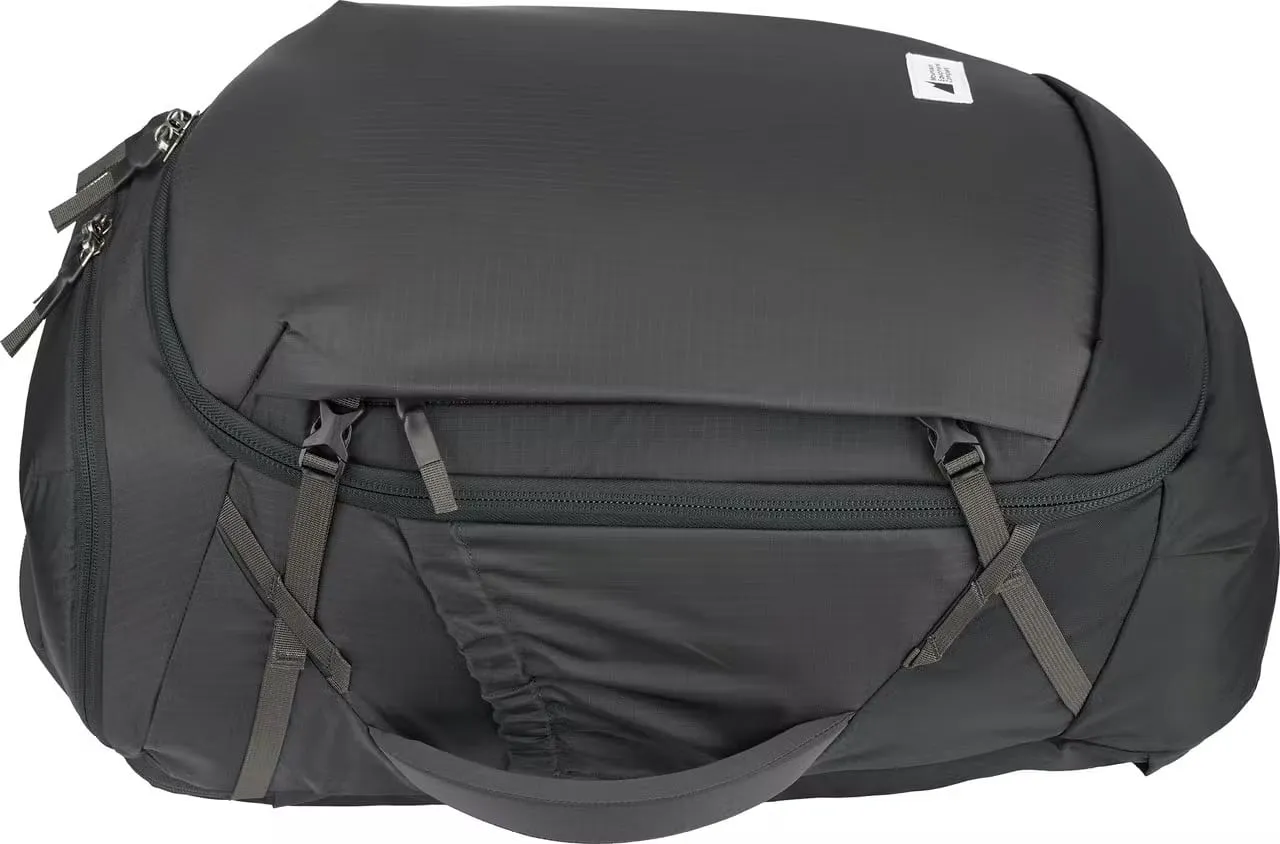
A carry-on travel pack that carries three ways (as a backpack, as a duffle, or with its zip-off daypack), with a stowable harness and a full-wrap rain cover for moving between airports and trailheads.
- Client
- MEC
- Year
- 2020
- Role
- Technical Developer
Challenge
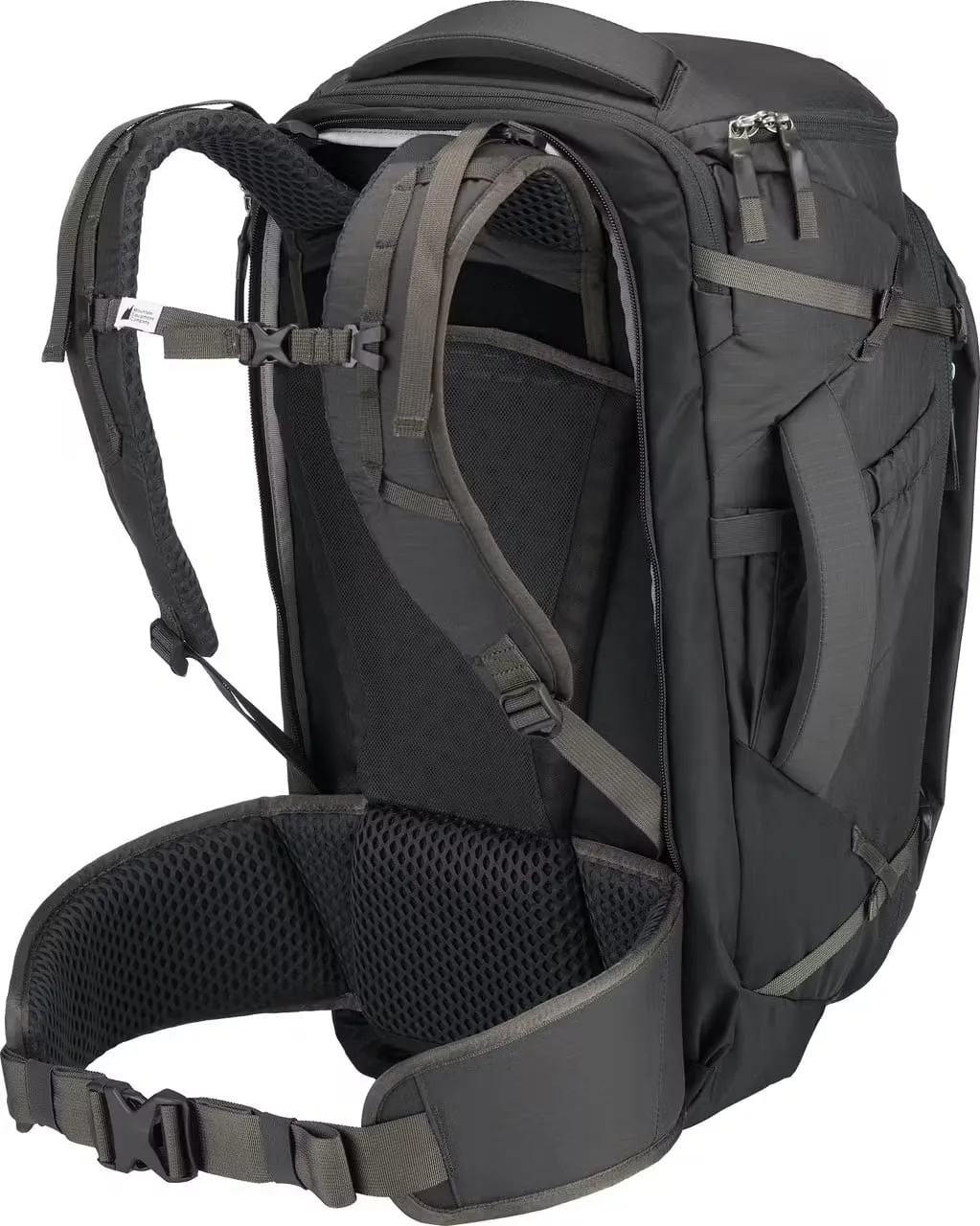
The MEC Pangea was designed as a travel system for the modern digital nomad: a carry-on-sized backpack paired with a smaller 15-liter daypack, giving travelers the flexibility to move from city to city while still having a comfortable everyday bag when staying somewhere longer. The carry-on itself was about 40 liters, designed around the idea of living out of one bag, with a dedicated laptop compartment and a fully padded internal storage area to protect the gear and personal items people rely on while traveling. The biggest challenge was integrating a full-featured backpack harness while keeping the bag airline-friendly. The harness needed to disappear completely behind a zippered panel when the bag was checked, both to protect it during travel and to reduce the bag's footprint so it would fit airline sizing requirements.
Research
The companion daypack was designed around the reality of how people actually travel. The goal was to carry the things you want close: laptop, headphones, camera, and other electronics, so your most valuable items stay with you instead of getting packed away or stuffed in an overhead bin.
Design Direction
The design was led by Dave Westwood. Maintaining a proper backpack carry system while meeting travel constraints wasn't simple: the bag needed a structured frame sheet, aluminum stays, and real padding to protect its contents. That added weight, but we decided the tradeoff was worth it, since the bag was built to carry valuable gear over long distances. Comfort and protection were prioritized over chasing the lightest possible weight.
Development
One of the more interesting technical challenges was building a suspension system that let the daypack attach securely to the larger carry-on while staying comfortable fully loaded. By transferring some of that load into the Pangea's hip belt, we reduced the strain on the shoulders and avoided the feeling of two separate bags pulling in different directions.
Prototype
The result was a surprisingly comfortable carry, especially in real travel moments like walking from a train station to your accommodation with all your gear. That's the scenario the whole suspension system was really being tested against.
Manufacturing
The program was manufactured in Vietnam. Communicating the design intent, especially around the stowaway harness system, required close collaboration with the factory. We had regular video calls throughout development to answer questions early, prevent incorrect samples, and keep the project on track for its production timeline.
Final Product
The Pangea was originally developed before the pandemic, but travel restrictions put the program on pause before it eventually launched afterward. The key features, materials, and construction methods developed during that initial process carried through successfully into the final product.
Reflection
I was no longer at MEC by the time the Pangea reached market, but it was genuinely rewarding to see the development work carry through anyway, especially on a project that had to survive a multi-year pause and still come out the other side intact.